Online Course Marketing: What Actually Works in 2026
Why outdated tactics are failing and the creators winning today are building trust, structure, and real educational value
A few years ago, online course marketing felt almost suspiciously easy. You could post a Canva graphic announcing your “signature framework,” throw together a countdown timer, send a few dramatic emails about enrollment closing forever, and somehow still make sales. Audiences were less skeptical, competition was lower, and people were still dazzled by almost anyone calling themselves a coach or educator online.
That version of the internet no longer exists.
In 2026, buyers are significantly more cautious because they have already seen the cycle. Many people have purchased courses they never finished, joined communities they abandoned after three days, or sat through webinars that promised “financial freedom” but delivered recycled motivational quotes and a PDF workbook with fourteen spelling mistakes.
Consumers are sharper now. They recognize fake urgency immediately. They know when someone copied a launch formula from a YouTube video titled “How I Made $100K Selling Digital Products While Traveling Bali.” The result is that trust has become the single most valuable currency in online course marketing.
And honestly, that’s probably a good thing.
Educational Content Is the New Sales Funnel
The creators growing fastest in 2026 are not necessarily the loudest. They are the clearest. They teach consistently in public, explain concepts well, and demonstrate expertise before asking anyone to buy.
That shift matters because audiences no longer respond well to constant promotion without substance behind it. People want proof that you understand the topic deeply enough to help them solve a real problem.
This is why educational content has become the strongest marketing strategy available.
Not vague “value content” filled with generic motivational advice. Real teaching. Real frameworks. Real examples. Real breakdowns that make your audience stop scrolling because they actually learned something useful in under sixty seconds.
The psychology behind this is simple. When someone repeatedly learns from your free content, they naturally begin to assume your paid content must be even better. That assumption is incredibly powerful because it lowers skepticism before you ever make an offer.
The strongest course creators today are effectively teaching their way into authority.
Specificity Beats Hype Every Time
One of the biggest mistakes I still see is creators trying to sound impressive instead of understandable. They build vague offers with abstract promises because they think clarity somehow sounds less exciting.
It does not.
“Build and launch your first online course in four weeks” is strong positioning because the outcome is obvious. People immediately understand what they are getting and who the program is for.
“Unlock your limitless creator potential” sounds like something generated by an exhausted AI model trapped inside a vision board.
Modern buyers want specifics. They want practical outcomes, defined timelines, and clear transformations. They are no longer impressed by exaggerated claims or overcomplicated branding language. In fact, most consumers now interpret excessive hype as a warning sign.
The creators succeeding right now are speaking more directly and more simply than the market around them.
Ironically, that simplicity makes them stand out.
Short-Form Video Still Works, But the Strategy Changed
A lot of people assume short-form video is oversaturated now, but that is not entirely accurate. What actually became oversaturated is low-effort entertainment content pretending to be education.
Audiences are exhausted by fake productivity hacks, staged “day in the life” videos, and creators pointing at floating text while pretending they discovered the secret to human achievement during a cold plunge at 5:00 a.m.
Educational creators have an advantage in 2026 because practical information performs exceptionally well across platforms. Instagram, LinkedIn, Facebook, and YouTube Shorts are all rewarding content that keeps users engaged through learning rather than pure distraction.
That means useful content travels.
The strongest short-form educational videos are usually straightforward. They answer one question clearly, solve one problem quickly, or explain one mistake people commonly make. The creator sounds knowledgeable instead of performative. The delivery feels conversational instead of scripted like a motivational TED Talk recorded inside a coworking space.
People are craving substance again.
Which is fortunate for anyone with actual expertise.
Why Audience Trust Matters More Than Follower Count
One of the most important shifts in online course marketing is that audience quality now matters far more than audience size. A creator with 1,500 highly engaged followers can outperform someone with 100,000 passive followers who barely pay attention anymore.
This surprises people because social media conditioned everyone to obsess over numbers.
But course sales are usually driven by trust, not visibility alone.
An engaged audience that consistently learns from you, replies to your emails, comments on your posts, and sees you as credible is dramatically more valuable than a massive audience built on viral entertainment clips unrelated to your actual offer.
That is why niche expertise is outperforming broad personal branding in many industries right now. The more clearly your audience understands what you help people do, the easier marketing becomes.
Confused audiences rarely buy.
Clear audiences do.
Email Marketing Finally Stopped Pretending to Be Urgent
Email marketing still works extremely well in 2026, but the style that works has changed significantly.
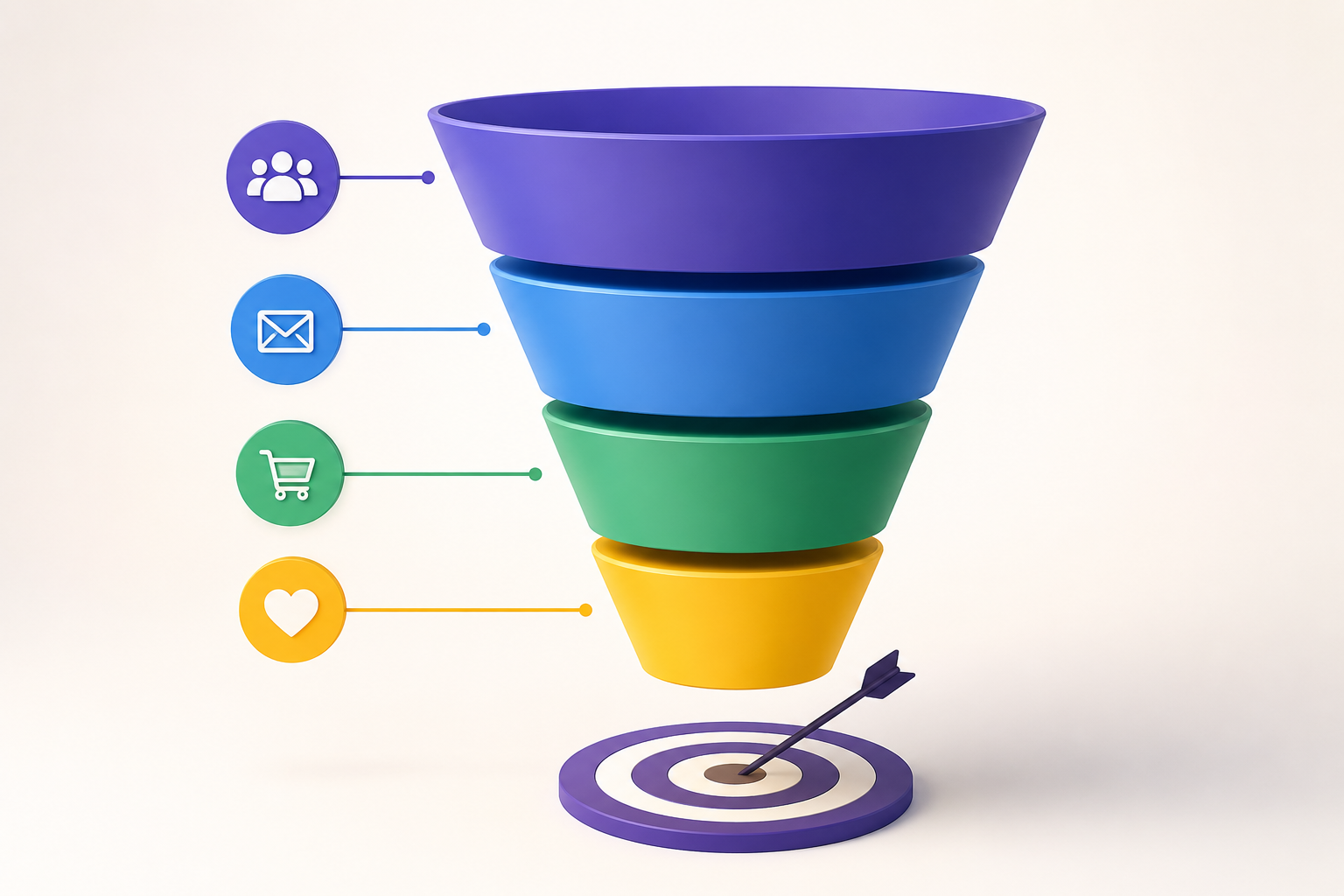
The old funnel model built around endless scarcity tactics is losing effectiveness fast. Consumers immediately recognize fake countdown timers, manufactured urgency, and “last chance” emails that somehow appear every Tuesday for three consecutive years.
Modern email marketing performs best when it feels human.
The strongest creators are writing emails that sound conversational, useful, and personal. They share observations, lessons, stories, and practical insights instead of constantly trying to force conversions through pressure.
Ironically, this softer approach often generates more revenue because subscribers begin to trust the creator over time. Instead of feeling trapped inside a marketing machine, they feel like they are hearing from someone knowledgeable and credible.
That relationship compounds.
A subscriber who trusts your perspective for six months is significantly easier to convert than someone who just downloaded a free checklist yesterday because a pop-up interrupted their attempt to close the browser tab.
Community Became Part of the Product
Another major shift is that people are no longer buying standalone information products as often as they used to. They are buying support systems, accountability, interaction, and momentum.
This is why community-driven learning exploded over the last few years.
Platforms like Skool, Circle, and Discord-based memberships continue growing because learners want connection alongside education. They want environments that help them stay engaged long enough to actually finish what they purchased.
Because real talk, most unfinished courses are not abandoned because the information is bad.
People get busy. Work piles up. Kids get sick. Energy disappears. Suddenly the course they were “absolutely starting this weekend” turns into another browser tab they feel mildly guilty about every few weeks.
Good course creators understand this reality.
Great course creators build systems around it.
That means structured milestones, accountability check-ins, progress tracking, interactive elements, and community discussion are now becoming competitive advantages rather than optional extras.
The Real Problem Usually Isn’t Marketing
This is the part many creators resist hearing.
Marketing does not fix a poorly designed course.
It amplifies whatever already exists.
A weak course with aggressive marketing might generate temporary sales, but eventually the cracks begin to show. Completion rates drop. Testimonials disappear. Refunds increase. Referral momentum slows down because students are not achieving meaningful outcomes.
Meanwhile, creators with strong course structure often grow steadily even without massive audiences because successful students naturally become marketing assets. They share wins publicly. They recommend the program to colleagues. They generate social proof organically because the learning experience actually helped them.
That is why sustainable course businesses in 2026 are focusing heavily on learner outcomes instead of just customer acquisition.
The product itself became part of the marketing strategy.
And really, it probably should have been that way all along.
What Actually Works in 2026
The creators winning today are building authority before launching offers. They are teaching consistently in public. They are simplifying complex topics clearly. They are creating educational ecosystems instead of relying on one-time launches and manufactured hype.
Most importantly, they understand that modern audiences are not looking for louder marketing.
They are looking for confidence.
Confidence that the course is organized well. Confidence that the instructor knows what they are talking about. Confidence that the learning experience will actually help them achieve something meaningful.
That trust is earned slowly.
But once you build it, marketing becomes dramatically easier because your audience already believes you can help them.
And that is the real shift happening in online course marketing right now.
The future belongs to creators who can genuinely teach, not just creators who know how to sell.