Low-Ticket vs High-Ticket Courses: Which Business Model Makes More Money?
The Truth About Course Pricing (It's Not What Most People Think)
One of the first questions I hear from experts creating an online course is surprisingly simple: "Should I sell a low-ticket course or a high-ticket course?" It sounds like a straightforward pricing question, but it is really a business strategy question. The price you choose shapes everything from your marketing and customer experience to the type of audience you attract.
I understand why this decision feels overwhelming. Scroll through social media long enough and you'll find one creator insisting that $27 products are the fastest path to passive income, while another claims anything under $2,000 is leaving money on the table. Both sides make convincing arguments, which leaves new course creators wondering which approach actually works.
The reality is that neither model is inherently better. I've seen businesses thrive with affordable courses that sell at scale, and I've seen others build profitable companies with a handful of premium clients each month. The right answer depends on your expertise, your audience, and the business you want to build over the next several years, not just your next launch.
Understanding Low-Ticket Courses
Low-ticket courses generally fall somewhere between $20 and $200. These courses are designed to remove friction from the buying decision because the financial commitment is relatively small. Customers often purchase them quickly, sometimes without attending a webinar or speaking to anyone beforehand.
There are plenty of advantages to this model. A lower price opens the door to a much larger audience, making it easier to generate sales if you have enough traffic. When someone only has to spend $49 or $99, they don't need weeks of deliberation before clicking the purchase button.
The challenge is that volume becomes everything. If your course sells for $49, you'll need a significant number of customers to build meaningful revenue. Marketing becomes a continuous effort because your business depends on consistently attracting new people into your ecosystem.
Another challenge is customer perception. Fair or not, many buyers associate lower prices with introductory information rather than transformational results. That means your messaging has to work even harder to demonstrate that your course delivers real value despite its accessible price.
Understanding High-Ticket Courses
High-ticket courses typically start around $1,000 and can easily reach several thousand dollars depending on the transformation they provide. These programs often include additional support, coaching, community access, templates, office hours, or personalized feedback. Buyers expect more than information. They expect guidance and accountability.
One of the biggest advantages of a premium offer is that you need fewer customers to reach your revenue goals. Selling ten $2,000 programs produces the same revenue as selling hundreds of lower-priced courses. For many experts, that creates a much more manageable business.
Premium pricing also changes the relationship between you and your customers. People who make a larger investment tend to show up differently because they have more at stake. They often complete more lessons, ask better questions, and apply what they learn instead of letting the course sit untouched after purchase.
Of course, higher prices create higher expectations. Prospective buyers usually need more education before making a purchase, and they want confidence that your program can solve their problem. Your marketing, testimonials, and overall customer experience all need to support that premium positioning.
Revenue Is About More Than Price
One of the biggest misconceptions I see is the belief that higher prices automatically mean higher profits. In reality, revenue is only one part of the equation. Customer acquisition costs, advertising expenses, support requirements, refunds, and fulfillment all influence how much money actually stays in your business.
Imagine selling a $47 course while spending $60 to acquire each customer through paid advertising. Even though sales are coming in, your business is losing money with every purchase. That is obviously not the passive income dream most people were promised.
The opposite can happen with premium programs. You might spend considerably more time nurturing leads, hosting webinars, or conducting sales calls, but closing just a few clients each month may produce stronger margins than a high-volume, low-price business. Looking only at the price tag ignores everything happening behind the scenes.
This is why I encourage course creators to think like business owners rather than simply content creators. Pricing decisions should always be connected to acquisition costs, operational expenses, customer lifetime value, and long-term sustainability.
The Audience Matters More Than the Price
I always tell experts to start with their audience instead of their preferred price point. Different buyers have different expectations, different budgets, and different purchasing behaviors. Trying to force every audience into the same pricing strategy rarely ends well.
Someone looking for a hobby course may happily spend $39 on learning watercolor painting over the weekend. That same customer would probably hesitate to invest several thousand dollars because the outcome doesn't justify the expense. On the other hand, a business owner trying to increase revenue by six figures may see a $3,000 investment as relatively small if it solves an expensive problem.
Professional expertise often commands premium pricing because the financial return is easier to measure. When your course helps someone earn more money, save time, reduce legal risk, improve operational efficiency, or advance their career, higher prices become much easier to justify.
What About Mid-Tier Pricing?
Mid-tier pricing deserves its own conversation because, in my experience, it's often the hardest price point to sell. Courses priced somewhere between a low-ticket impulse purchase and a premium investment can fall into an awkward middle ground. They aren't inexpensive enough for someone to buy without much thought, but they also don't feel valuable enough to justify a significant financial commitment.
That doesn't mean mid-tier pricing can't work. It absolutely can, but it requires exceptionally clear positioning and messaging. Your audience needs to understand exactly why your course is worth the investment, what transformation they'll receive, and why your offer is the best solution compared to both cheaper alternatives and higher-priced premium programs.
For most first-time course creators, I recommend choosing one side of the spectrum rather than landing in the middle by default. Either create an affordable entry-level offer that attracts volume or build a premium program that delivers a significant transformation and commands a higher investment. Mid-tier pricing should be an intentional strategic decision, not simply the result of picking a number that "feels about right."
The Best Businesses Often Use Both Models
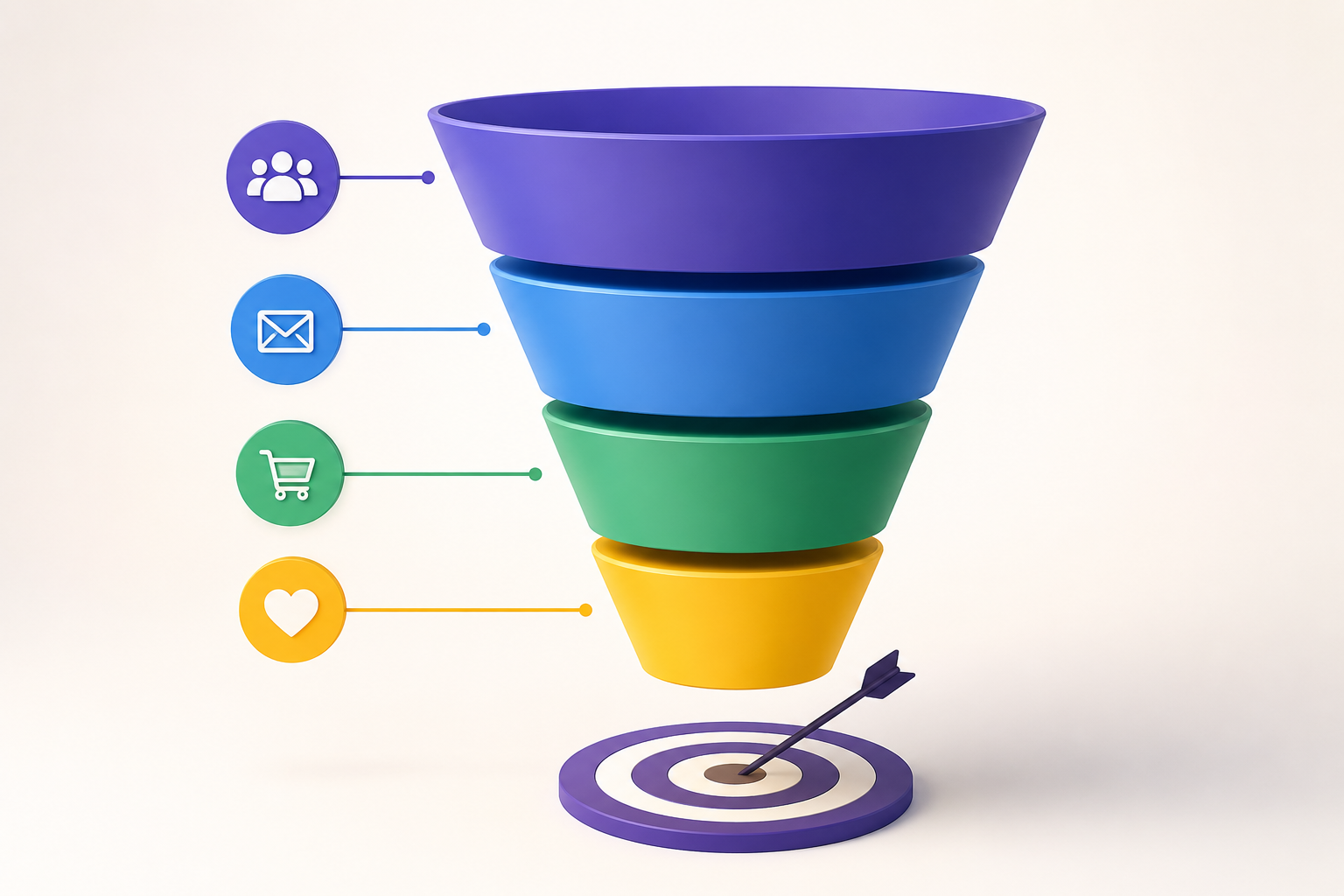
One of the biggest shifts in my thinking came when I stopped viewing low-ticket and high-ticket offers as competing business models. The strongest education businesses frequently use both because each serves a different purpose within the customer journey.
A lower-priced product can introduce someone to your teaching style while reducing the perceived risk of buying from you for the first time. Once they experience success, many become excellent candidates for more advanced training. The initial purchase builds trust long before you ever present a premium offer.
Premium programs, meanwhile, create deeper transformations for customers who need additional guidance and accountability. Rather than replacing lower-priced products, they complement them by serving learners at different stages of their journey. Each offer has a clear role instead of competing against the others.
This layered approach also creates more predictable revenue. Instead of relying entirely on one launch or one flagship offer, your business develops multiple paths for customers to continue learning as their needs evolve.
Focus on Transformation, Not the Number
Whenever I see someone obsessing over whether their course should cost $97 or $997, I know they're asking the wrong question. Pricing is important, but it comes after you've clearly defined the transformation your course delivers. If the outcome isn't compelling, changing the number on the checkout page won't fix the problem.
The most successful course creators spend far more time refining their curriculum, improving student results, and understanding their audience than debating pricing psychology. They know that exceptional outcomes create confidence, and confidence makes premium pricing much easier to support.
That doesn't mean everyone should charge thousands of dollars. It means your pricing should accurately reflect the value you create, the support you provide, and the results your students can realistically achieve. When those pieces align, your pricing feels logical instead of arbitrary.
At the end of the day, the question isn't whether low-ticket or high-ticket courses make more money. The better question is whether your business model supports your goals while delivering meaningful results for your students. Build something that genuinely helps people succeed, and your pricing strategy becomes much easier to defend because it is backed by real transformation rather than wishful thinking.